
A patent protects an invention or product design that meets the legal criteria. To qualify for an invention patent, the invention must be new, involve an inventive step, and be capable of industrial application - all 3 conditions. Whether to file isn't automatic: it depends on eligibility, prior art, your commercial goals, prior disclosure, cost, and whether an alternative form of protection fits better.
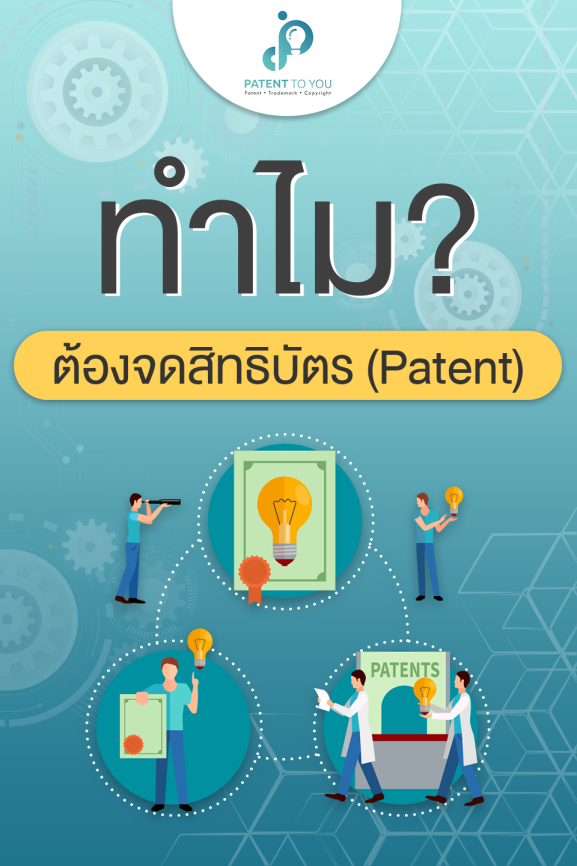
What is a patent?
A patent is an official document granted by the government to protect an invention or product design that is new. It gives the inventor an exclusive right to manufacture and sell the product for a set period of time.

So if you've come up with an invention, formula, process, or design of your own — should you patent it?
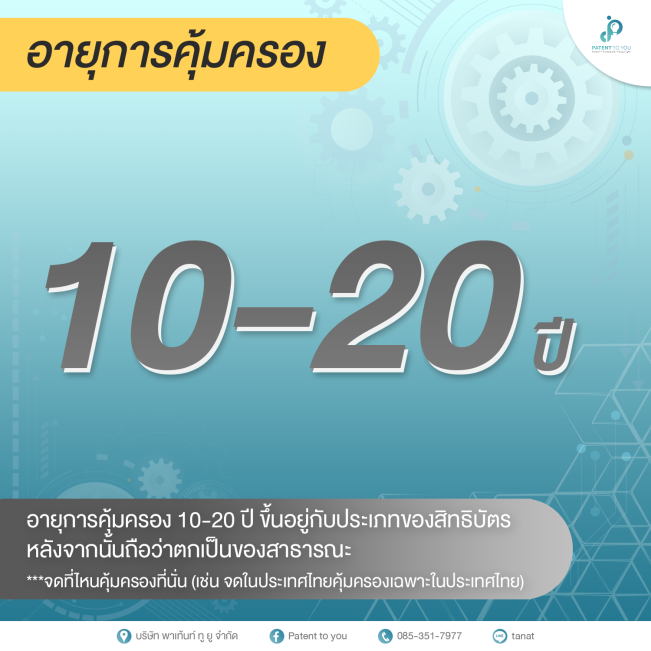
It depends on several factors, not a blanket "always." A patent only protects what's actually registered, and protection is time-limited, so before filing it's worth weighing: does the invention meet the legal criteria, is there prior art close to it, what are your commercial goals, has the invention already been disclosed publicly, what will filing and maintaining the patent cost, and would an alternative like keeping it as a trade secret serve you better?
So how do you know whether your invention or design qualifies for a patent?
To be patentable, an invention must meet 3 conditions:
- Novelty - the invention must not have been publicly disclosed before, in Thailand or abroad, whether through documents, sale, or use.
- Inventive step - it must solve a technical problem, and not be something obvious to a person with ordinary skill in that field.
- Industrial applicability - it must be capable of being made or used in industry, agriculture, or commerce.
Note: for a petty patent, the invention only needs novelty and industrial applicability - the inventive-step requirement doesn't apply.