
Intellectual property covers several distinct rights — patents, trademarks, copyright, and trade secrets among them. Each protects a different aspect and is obtained a different way.

Intellectual Property is property that comes from human creativity. It covers several distinct rights that protect different things and are obtained different ways — for example, invention patents, petty patents, design patents, trademarks, copyright, and trade secrets.
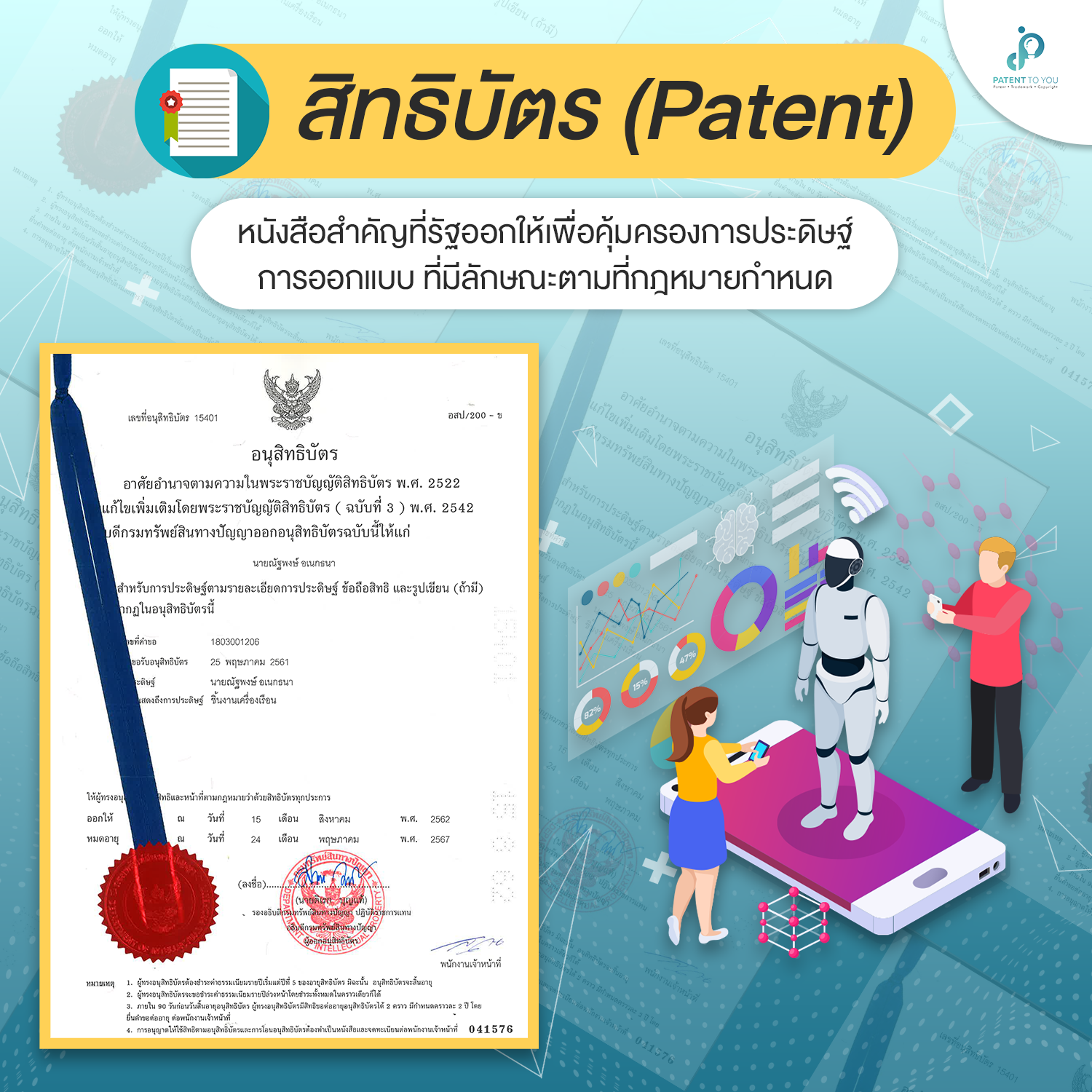
Intellectual property is a key tool that lets business owners and creators protect what they've made. For example, if you invent a new tool that saves energy, you can file an invention patent or petty patent to protect that invention within the scope of the granted claims — not the abstract idea itself. If what matters is the product's external appearance — a bottle shape or a pattern, say — a design patent may fit better instead.
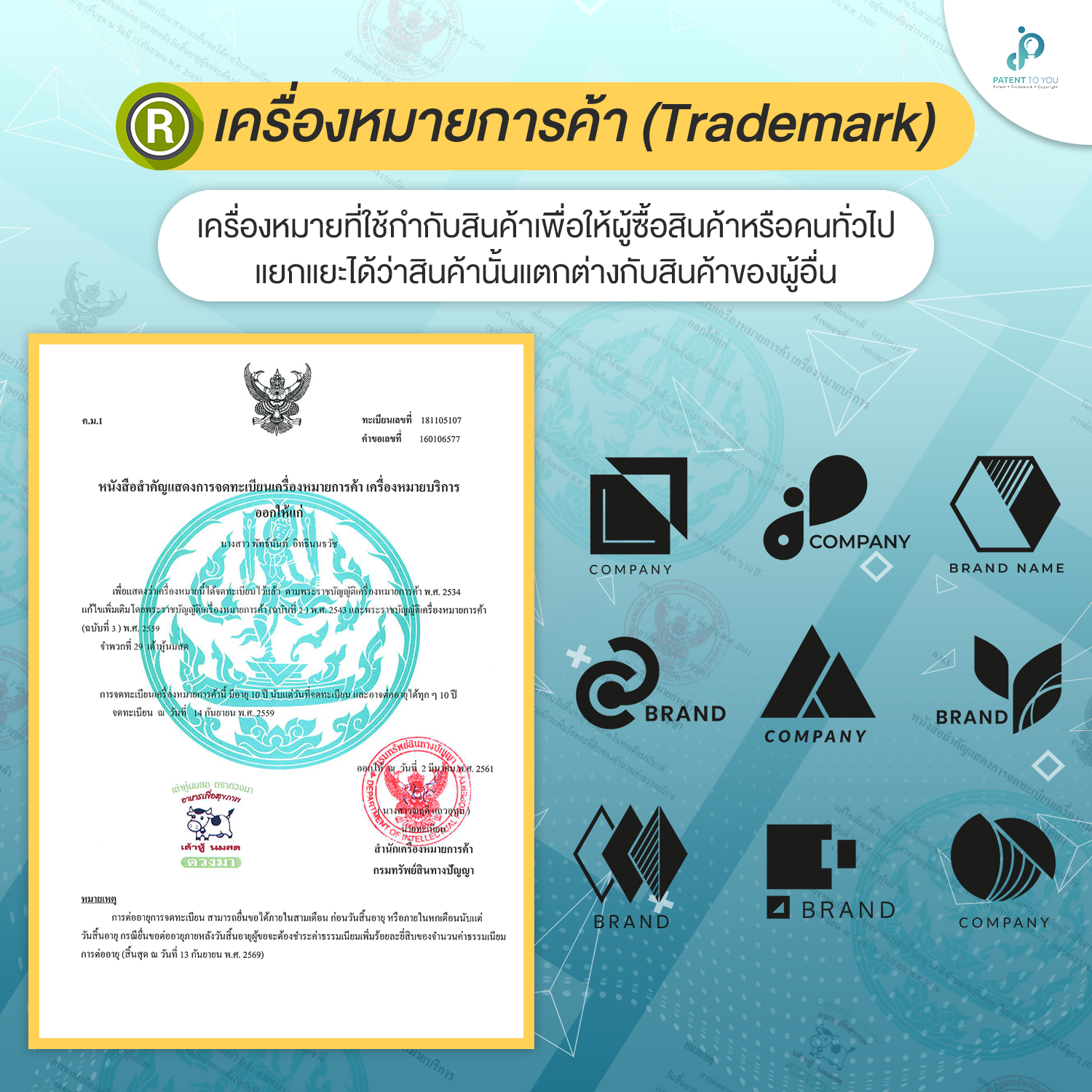
Or if you build a distinctive brand, you can register a trademark to obtain rights in that mark. The scope of protection depends on the registered mark, the goods or services listed in the application, related goods or services, and the applicable legal circumstances. Creative work — text, images, or software — is protected by copyright automatically. And valuable business information you'd rather not disclose, like a formula or process, can be protected as a trade secret instead of through registration. A single product often ends up covered by more than one of these at once. Registration where required can be done through the Department of Intellectual Property, the main agency that oversees and promotes public awareness of the importance of protecting intellectual property.